
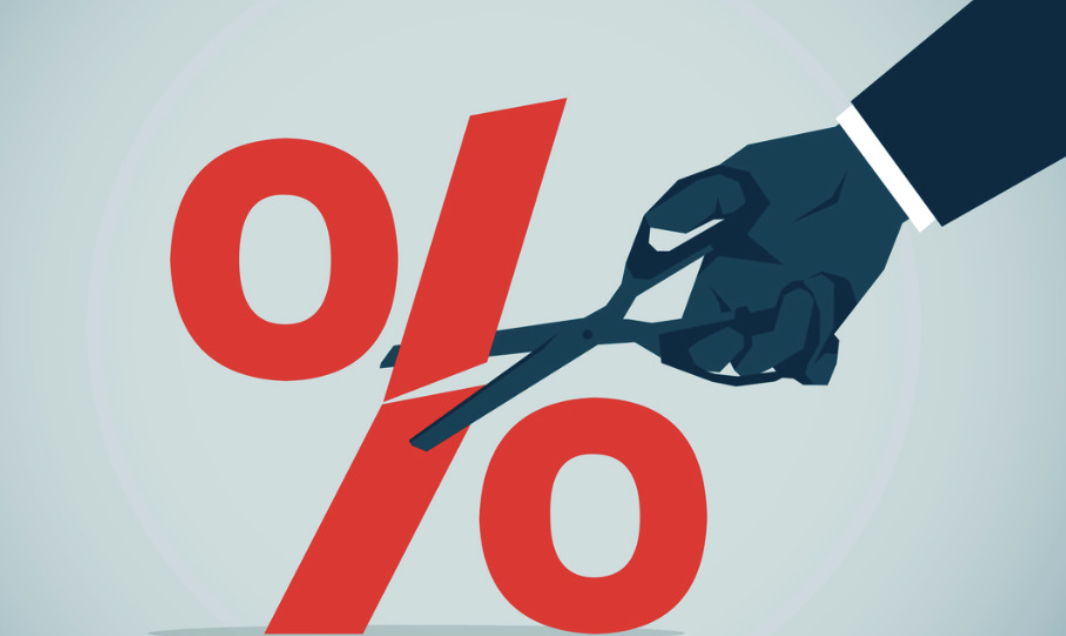
Recent calls from the Trump administration for interest rate reductions have sparked concerns about potential inflationary consequences. While lower rates could benefit home buyers, reduce government debt service costs, and boost business investment, economists warn of the risk of igniting another wave of inflation amid already elevated price pressures.
The impact of inflation over the past five years remains evident across the economy. Housing costs have doubled in many regions, while grocery prices have surged nearly 40 percent, creating unprecedented strain on American households. Recent data shows continuing inflationary pressures, with the Producer Price Index (PPI) reaching 3.3 percent, suggesting potential future consumer price increases.
According to economic analyst David Stockman, wholesale prices excluding food and energy have risen 33.3 percent since January 2017, averaging a 3.4 percent annual increase. At this rate, today’s dollar would be worth only 51 cents in two decades. The Truflation index, while currently below 2 percent, shows concerning upward momentum from its early-year lows.
Monetary indicators also present warning signs. The M2 money supply, a key measure of money in circulation, has resumed growth after brief contractions following COVID-era expansion. Current trends show money creation approaching 5 percent, a potentially dangerous level that could accelerate further with interest rate cuts.
These developments echo the devastating three-wave inflation pattern of the 1970s, which began after abandoning the gold standard. Each wave proved more severe than the last, ultimately reaching
double-digit levels that devastated American household finances and forced significant lifestyle changes for many families.
The Federal Reserve, under Jerome Powell’s leadership, has shown prudent resistance to rate-cutting pressure. With real interest rates relatively modest after accounting for inflation, current monetary policy maintains a delicate balance. However, concerns persist that Powell’s eventual successor might prioritize rate reduction over inflation control.
The relationship between monetary policy and presidential politics adds another layer of complexity. New administrations typically favor lower rates to stimulate growth and reduce debt service costs, enabling increased government spending. However, artificially low rates can distort economic structures, inflate asset prices, and create excessive financial sector leverage.
Current wholesale price trends cannot be entirely attributed to tariffs, as importers appear to be absorbing these costs through reduced profit margins rather than passing them to consumers. The price pressures appear more closely linked to monetary factors, raising concerns about potential future inflation waves.
For the Trump administration, pursuing rate cuts could prove counterproductive. Another inflation surge would likely overshadow any second-term achievements and might be attributed to trade policies. Instead, focusing on traditional economic growth through saving and investment could prove more beneficial than relying on monetary stimulus.
While a second major inflation wave hasn’t materialized yet, warning signs are mounting. The memory of 1970s-style inflation, which required drastic measures like the “Whip Inflation Now” campaign and caused lasting economic damage, serves as a cautionary tale. The current administration faces a critical choice between short-term growth stimulus and long-term price stability, with significant implications for American economic well-being.
Economic indicators suggest vigilance is warranted, particularly given the upward trends in various price measures and monetary aggregates. The risk of repeating historical patterns of inflation waves makes current monetary policy decisions particularly consequential for long-term economic stability.